

When Nowhere Is Safe
Cuts through the week's noise.
In this week's newsletter: Jude Jones, editor-in-chief of GAY45, cuts through the week's noise exclusively for subscribers, plus our essential recommendations.
Our subscribers sustain our award-winning journalism. Join them today.
Thermometer€15 is a forgettable expense for most of our readers. It's everything to this story.
Kazakhstan and Azerbaijan are passing laws that target queer people and women. We want to send a reporter. We need 100 donors at €15. We have 69.
If we don't go, the story stays untold, people will die. Donate, and your name stands beside the reporting as a supporter of the article.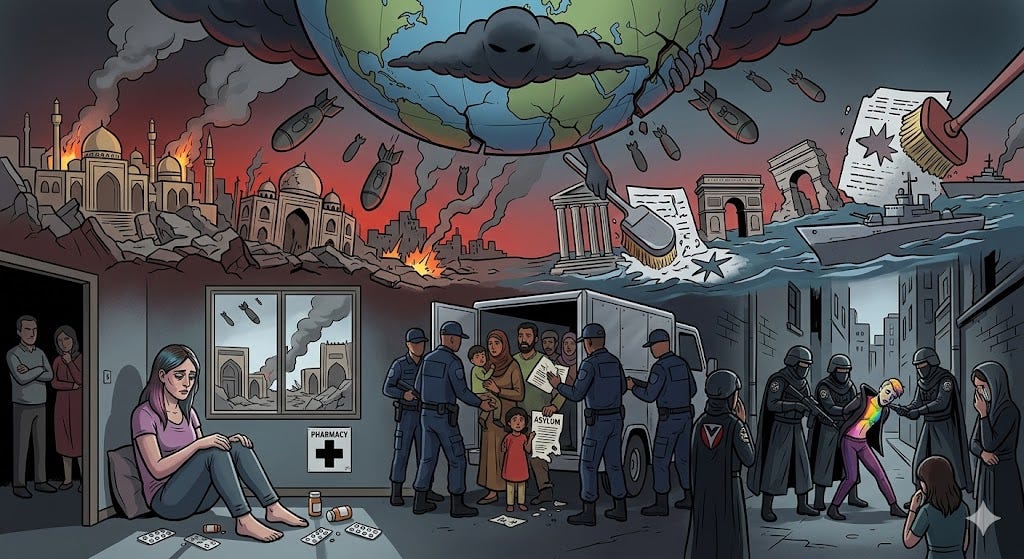
The Week in Sharp Relief
When Nowhere Is Safe
By Jude Jones, editor-in-chief
This newsletter has, so far, dealt mainly with big news headlines. Trump’s invasion of Venezuela, his threats to EU sovereignty, and the gruesome revelations of the Epstein Files. So far this year, the list has gone on.
Following this trend, it would be logical for this week’s instalment to cover, for a second time, Iran, where Trump’s airstrikes have assassinated the totalitarian Ayatollah Ali Khamenei. But our founding editor, Raz Ion, beat me to it, and his essay on the killing, as well as on its repercussions for queer Iranians, has dealt so fluently with the topic that I felt unprepared to best him.
Instead, I want to follow one of his threads of thought. In his piece, ‘Queer Casualties of Someone Else’s War’, Razvan argues that Khamenei and Trump are two sides of the same coin. “The difference between Donald Trump and Ali Khamenei,” he writes, “is less a matter of kind than of method. Both men presided over systematic campaigns to erase queer people from public life. One did it through a penal code that prescribes death; the others through executive orders that prescribe nonexistence.” That is, Trump’s dismantling of federal bodies that track LGBTQ+ rights and protect vulnerable people, his scrubbing of queer names from national monuments and battleships, and his (alleged) expulsion of openly gay government employees for waving Pride flags.
But Trump’s persecutory regime functions not only through gestures which it hopes will be incremental enough that nobody notices (we, at GAY45, do), subtle enough to let equality die in the dark. Sure, Trump isn’t hanging gay men from cranes in city centres, as did the Ayatollah – and as will his successors. But his Ice goons have executed people in busy Minneapolis streets, including the queer poet Renee Nicole Good, who was shot dead in front of her wife last month as her assailant called her a “bitch”.
Ice is another mechanism, arguably the primary mechanism, of Trump’s persecutory regime that Razvan lays out. It is one happy to take children, such as five-year-old Liam Conejo Ramos, into custody for the crime of not looking American – a crime that queer people, called “groomers” and “terrorists” by his officials, are increasingly deemed guilty of, too. Last week, ICE took another such victim by deporting a 21-year-old lesbian asylum seeker known only as Farah, who had fled her violent and homophobic family in Morocco. She was sent to a country she had never visited before, Senegal.
Senegal is one of Africa’s most homophobic countries. Article 319.3 of its Penal Code criminalises any “improper or unnatural act with an individual of the same sex,” carrying prison sentences of up to five years. A new legislative proposal wants to increase this to 10 years. Over the last few months, the country’s gendarmerie has also arrested dozens of LGBTQ+ people in repressive raids, subjected them to forced anal examinations (which it calls the test of their sexuality) and accused them of knowingly spreading HIV through the community, as reports 76crimes.com.
Evidently, Senegal was no place for Farah. Given the choice between being sent there or back to Morocco, where her family had already hunted her down with the intent to kill, she chose Morocco. “There is nothing I can do,” she told The Associated Press, “It is hard to live and work with the fear of being tracked once again by my family.”
The Trump administration’s ire with Farah was almost certain that she was a Brown asylum seeker, more so than that she was queer. However, the callousness of her case – as well as the callousness with which Renee Nicole Good was killedand then villainised by Trump officials, the callousness with which LGBTQ+ rights have been stripped back in the US over the last year – demonstrates a swelling ideological hostility to queer life whose endpoint can be seen in regimes like Iran’s.
Farah sought asylum in the US because she thought there she would be able to live freely with her partner. Now, queer people are fleeing the US as they no longer feel safe there – at least 20 have filed tenuous asylum claims in Europe, hoping to escape Trumpism and ICE. And Farah is not even the first LGBTQ+ asylum seeker who has been sent to an unsafe third country. Last year, the 31-year-old makeup artist Andry Hernández, who was facing sexual orientation-based persecution in his home country of Venezuela, was deported without a hearing and sent to a maximum-security prison in El Salvador for months. His family worried he was dead.
Global ecosystems of queer safety, asylum and care are inverting. More and more, vulnerable queer people are being left without anywhere to go.
As I write this, bombs are still dropping around the Middle East as Iran conducts retaliatory strikes in Bahrain, Saudi Arabia, Qatar and the UAE. Meanwhile, Europe is slowly preparing for an increasingly inevitable war with Russia and is pouring billions into defence spending – a movement of cash enthusiastically backed by the Netherlands’ new gay prime minister, Rob Jetten. The world is becoming more militarised – and, as observed by Raz Ion, queer life will always be among militarisation’s first victims.
So, on the morning of 28 February 2026, an unnamed trans woman woke up in Tehran to the news that her home country was under threat. At the pharmacy, she was told that only essential medications were being distributed, meaning she could not get her gender-affirming oestrogen. Then, fearing for her safety in the strike-wrecked capital, she fled to her family’s home on Tehran’s outskirts, where she must suffer their intolerance. But homophobia, at least, is better than bombs.
In a militarised world, this is an unthinkable compromise that one more person will have to make.
MUST READ OF GAY45
OPINION
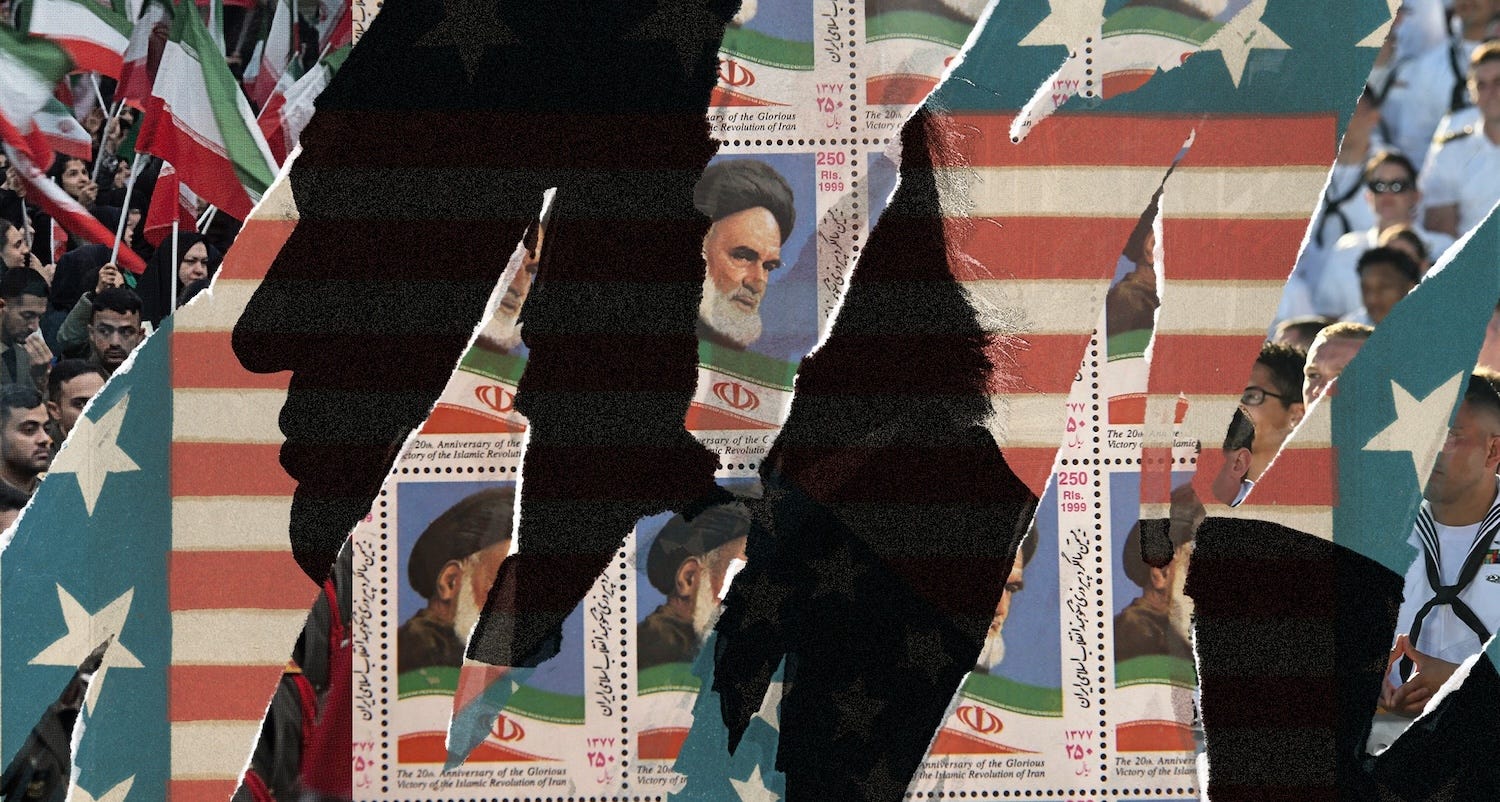
From the Middle East and the USA: Queer Casualties of Someone Else’s War of Choice
The distance between Donald Trump, Benjamin Netanyahu and the late Ayatollah Ali Khamenei — between an American president convicted on thirty-four felony counts, an Israeli prime minister on trial for bribery, fraud and breach of trustand subject to International Criminal Court arrest warrants for war crimes and crimes against humanity, and a supreme leader whose regime hanged gay teenagers and slaughtered protesters in the streets — is not so great as any of them would have us believe. The dead ayatollah was as cruel as the living autocrats who ordered his killing. Three men, three systems of power, one shared project: the erasure of those who do not fit.
REPORTAGE
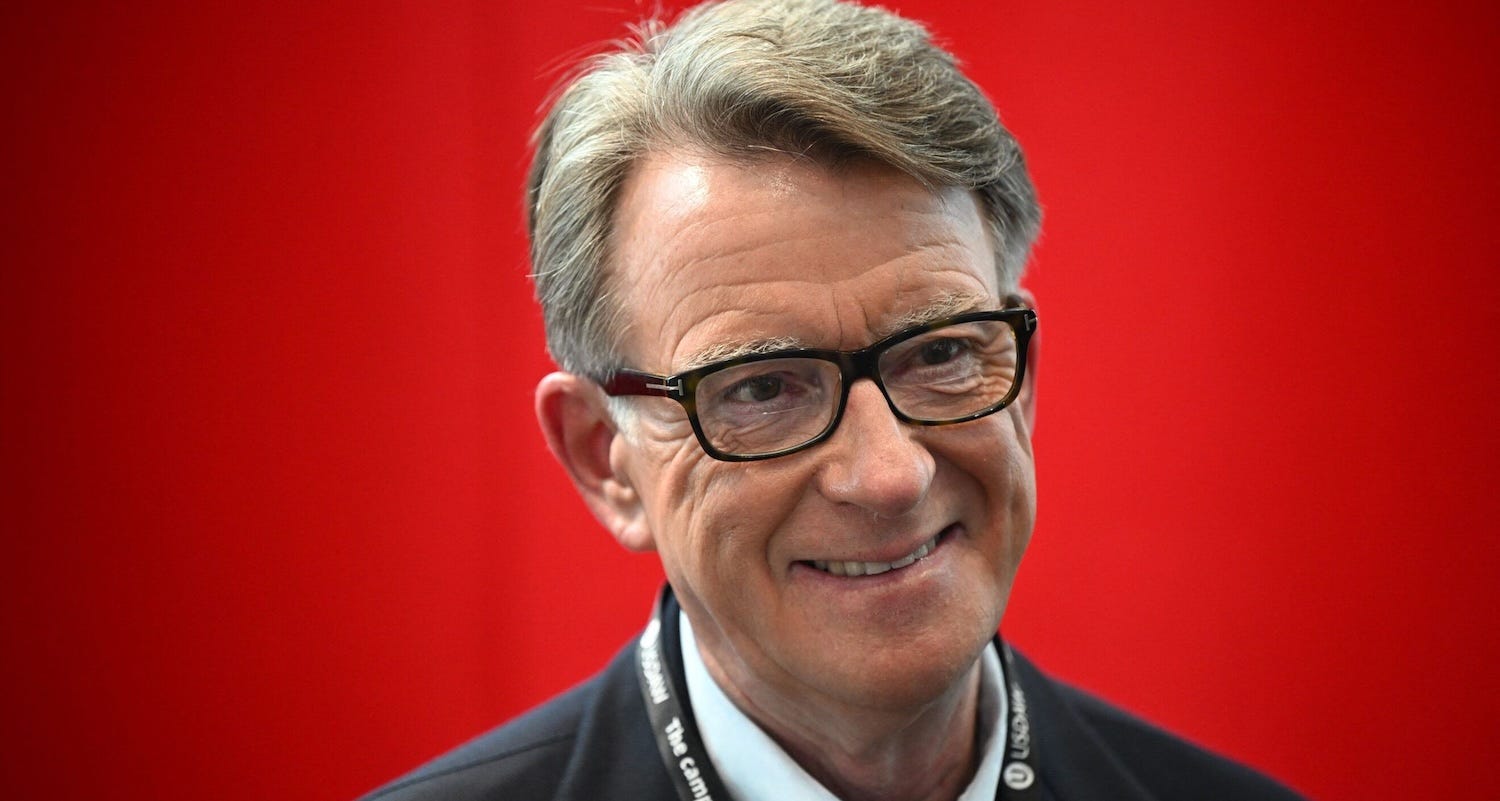
From Europe: The Closet as Alibi: Peter Mandelson and the Epstein Reckoning
For decades, Peter Mandelson treated his sexuality as classified information — redacted, denied, strategically ignored. Then, confronted with the implosion of his career over his ties to Jeffrey Epstein, he did something startling: he invoked being gay as proof that he could not have known. In the unforgiving light of BBC’s flagship studio, the ultimate political fixer reached back into the closet that once threatened to destroy him and asked it, at last, to save him.
POLITICS
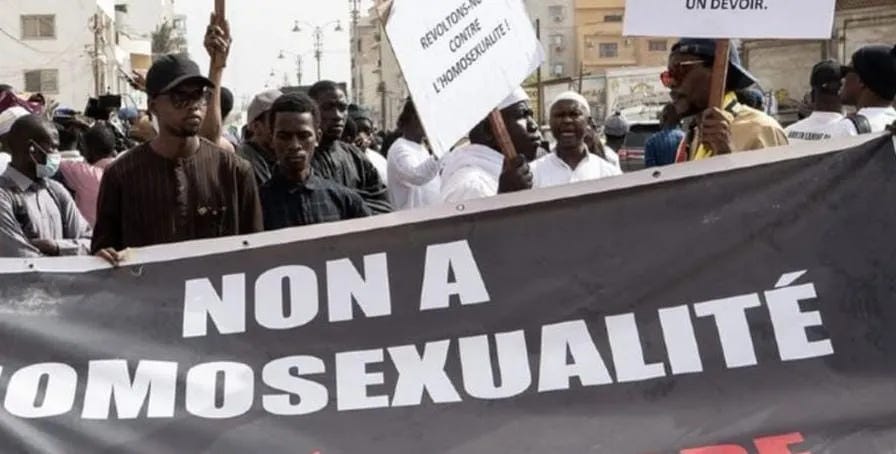
From Africa: Uganda and Senegal: The Architecture of Accusation
In Uganda and Senegal, neighbours and legislators compete to build the machinery of persecution.
FILM/TV
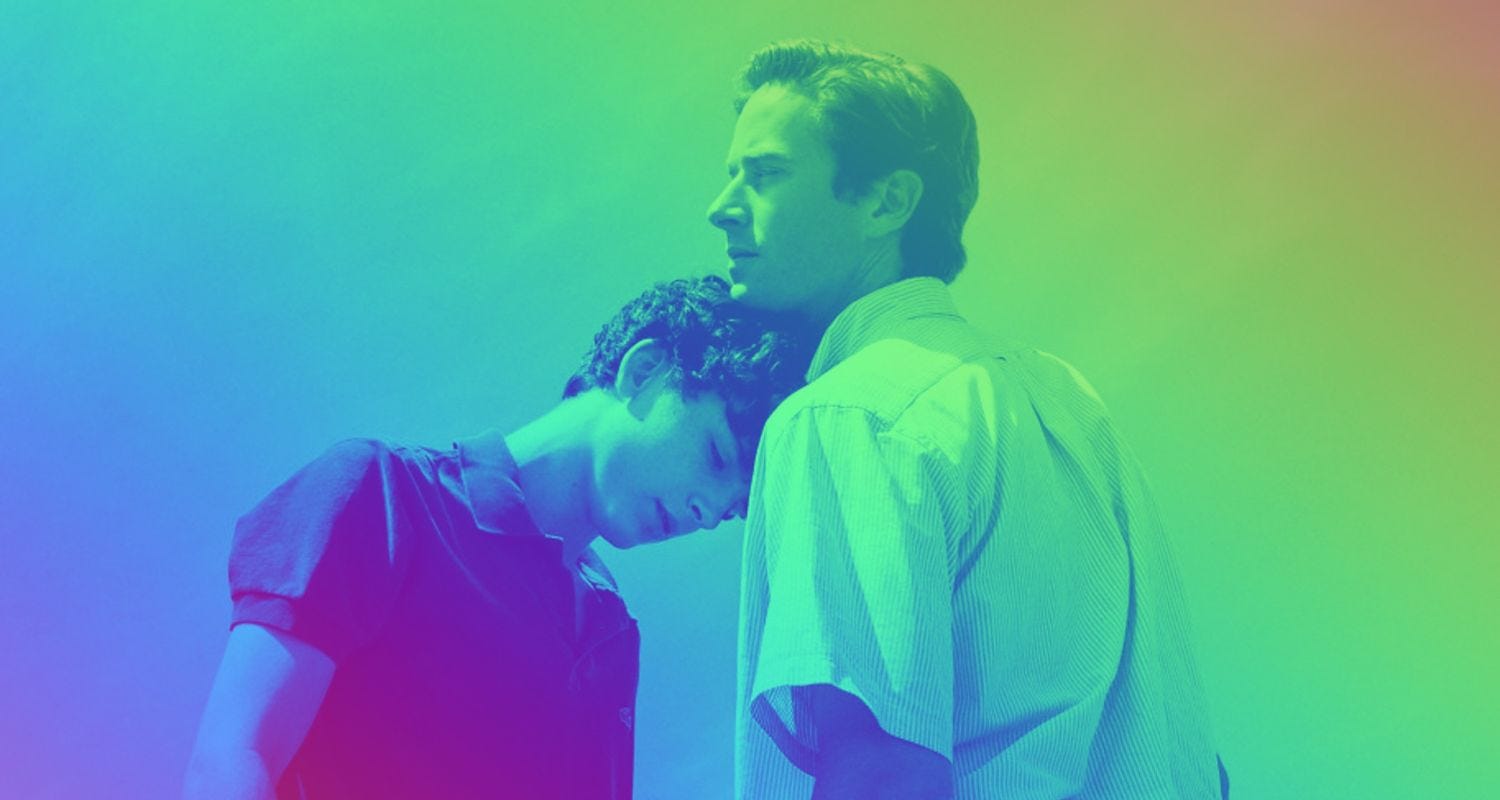
From the World: An Idiosyncratic Guide to Queer Cinema
There exists a particular species of cultural memory that lives not in archives but in the body’s own recall—the sensation of watching something forbidden in a room full of strangers, each person isolated by darkness yet united in transgression. Ryan Gilbey’s It Used to Be Witches: Under the Spell of Queer Cinema begins in this territory of furtive spectatorship, where the act of looking became inseparable from the act of survival.
FILM/TV
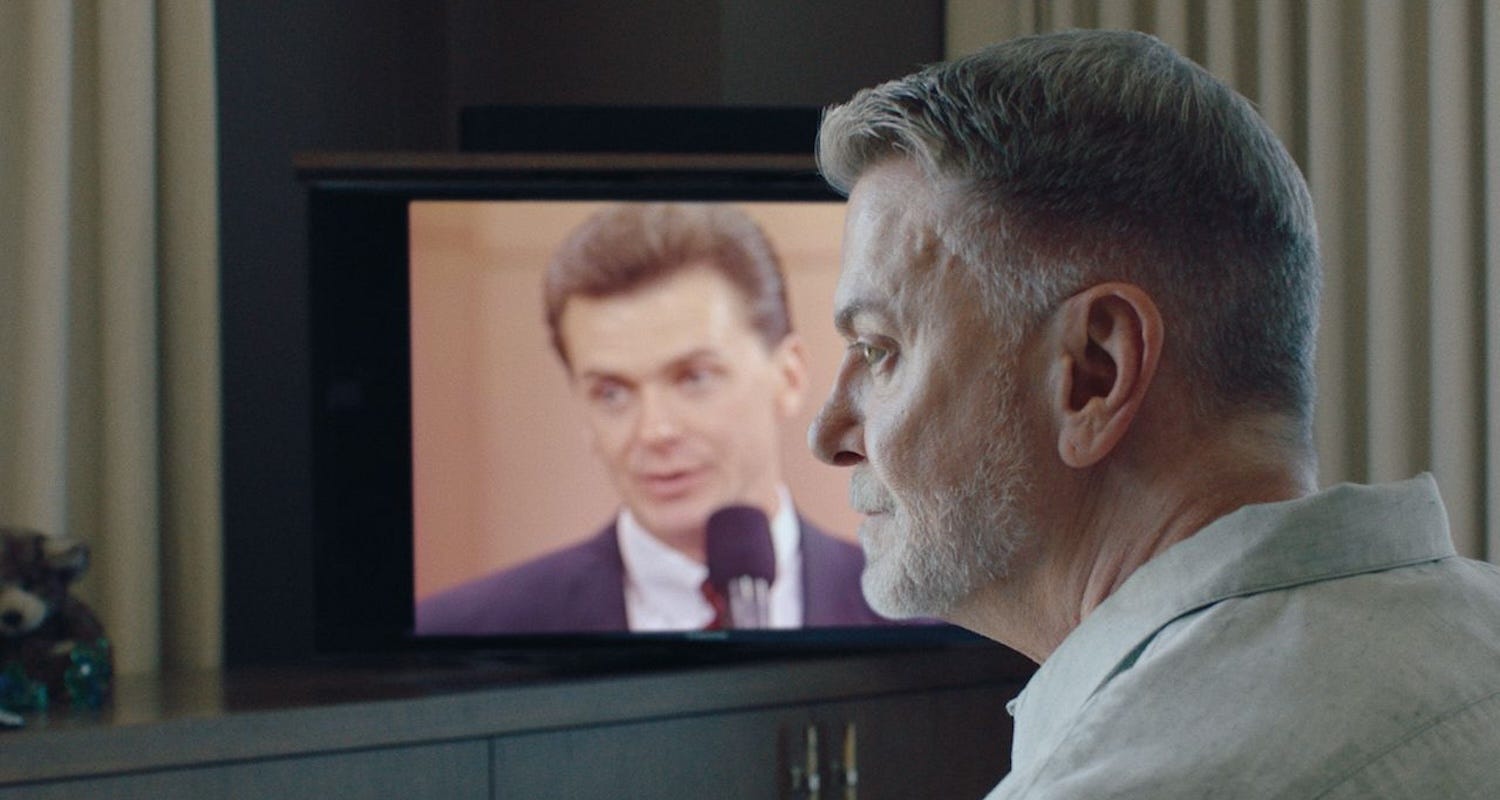
From the USA: Cashing Out Examines an Investment Strategy That Profited from AIDS Deaths
I agree with Hilton Als, this excellent documentary made me extremely angry. Matt Nadel’s short documentary ‘Cashing Out’ is an economy of feeling and inquiry: forty unsparing minutes that turn a little-known financial practice into a lens on neglect, dignity and familial quiet complicity. The film excavates the viatical-settlements market that emerged during the worst years of the AIDS crisis — a market in which life-insurance policies held by terminally ill people were sold to investors for immediate cash, a transaction that could allow someone to pay for care or to enjoy a final wish while simultaneously creating a profit for the buyer when the policy paid out.
For in-depth commentary on the week’s essential stories, listen to our weekly podcast, Queer News & Journalism, or visit our YouTube channel @GAY45mag.Support independent queer journalism: subscribe to keep our reporting free for everyone, or make a donation.
For ads here, contact taylor@gay45.eu