

Political Football
Cuts through the week's noise.
In this week's newsletter: Jude Jones, editor-in-chief of GAY45, cuts through the week's noise exclusively for subscribers, plus our essential recommendations.
Our subscribers sustain our award-winning journalism. Join them today.
Thermometer€15 is a forgettable expense for most of our readers. It's everything to this story.
We prepare a series of investigations on the expansion of Pride and the financial structure behing them.
For our reporting we nee funds for travel.
We need now 250 donors at €15. We have 71. Please help our journalism!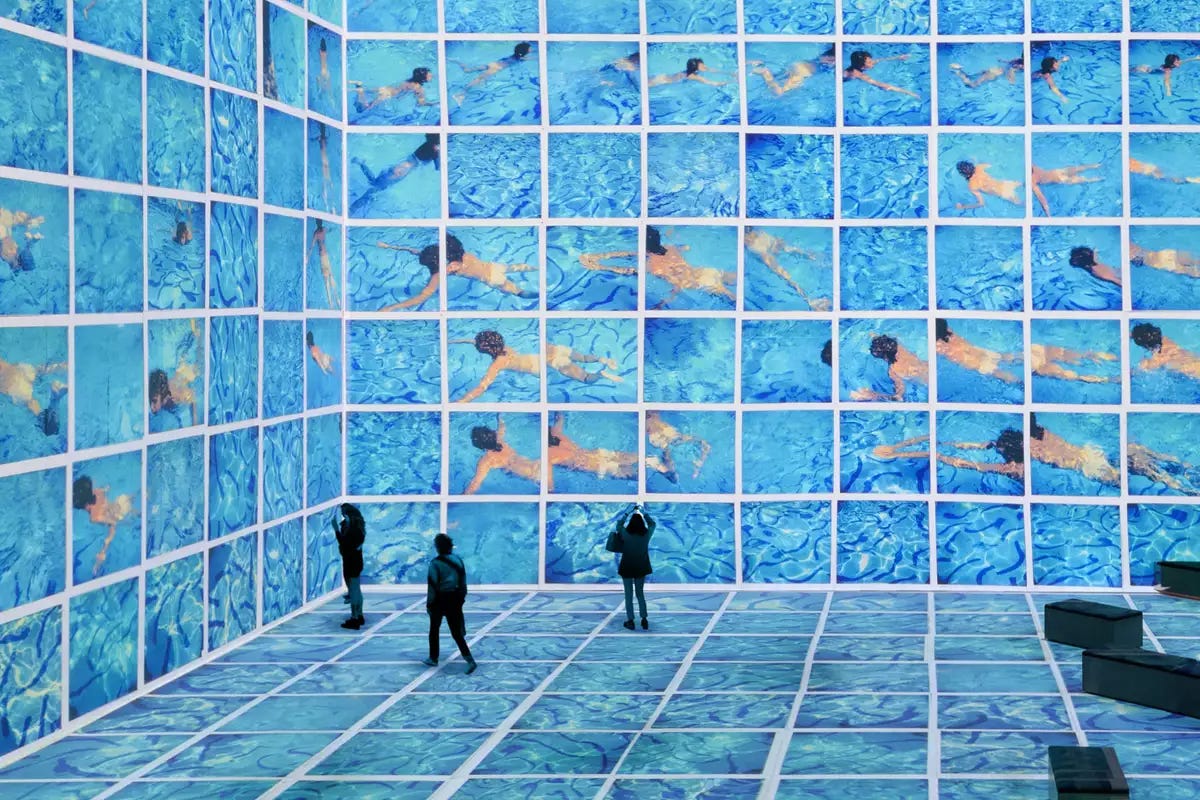
Political Football
By Jude Jones, editor-in-chief
The death of David Hockney at the age of 88 closes a chapter not only in British art but in the cultural history of post-war gay life. Born in Bradford -- a working-class, Northern English town -- in 1937, Hockney came of age when sex between men remained illegal in Britain; he lived long enough to see same-sex marriage become law and openly queer artists dominate major galleries. Few artists documented that transition with greater clarity. His paintings of swimming pools, lovers, friends, and domestic life transformed what had often been represented as secrecy into something almost defiantly ordinary.
The Financial Times, in its obituary, described him as perhaps the most significant British painter of his generation. What distinguished Hockney from many of his contemporaries was not simply that he painted gay men, but that he refused to paint them as victims. His work insisted on pleasure, intimacy and sunlight at a time when much public discourse still framed homosexuality as pathology, crime or tragedy. In an age when LGBTQ+ politics is increasingly conducted through court rulings, legislative battles and moral panics, Hockney’s most radical contribution may have been his insistence that queer life could be joyous rather than merely tolerated.
Elsewhere, Gwyneth Paltrow has become embroiled in a controversy that says as much about celebrity culture as it does about the Middle East. The actress appeared in promotional material for 51 Park, a 51-storey luxury development in Herzliya, north of Tel Aviv, where some apartments reportedly sell for as much as $10 million.
Critics accused her of helping market waterfront luxury property while Gaza remains devastated by war, displacement and humanitarian collapse. Supporters countered that appearing in an Israeli commercial development is not equivalent to endorsing government policy. The argument is unlikely to be resolved because that is no longer the point. Increasingly, celebrities are expected to possess not merely a brand but a geopolitical position. The backlash against Paltrow reflects a broader shift in which consumers, activists and audiences increasingly view cultural figures as political actors whether they wish to be or not.
The week’s most consequential diplomatic story, however, came from Washington and Tehran. After nearly four months of conflict, the United States and Iran have announced a framework agreement intended to reopen the Strait of Hormuz, through which roughly one-fifth of global oil and gas supplies normally pass. Under the proposed arrangement, Iran would gain access to more than 100 million barrels of stored oil, sanctions relief, and potentially a $300 billion reconstruction and investment fund, while negotiations continue over its nuclear programme. President Donald Trump has described the agreement as a major breakthrough.
Reuters has noted that critics view parts of the deal as highly favourable to Tehran, while commentators in both the Guardian and Council on Foreign Relations have cautioned that many of the most difficult issues -- including uranium stockpiles, inspections and sanctions implementation -- have merely been deferred into future negotiations. The deal may prove historic. It may also prove to be another Middle Eastern ceasefire whose durability is measured in weeks rather than decades.
And then there is football. The 2026 FIFA World Cup, the largest in history, has expanded to 48 teams, 104 matches, and an estimated global television audience that could exceed the 3.5 billion viewers recorded across the 2022 tournament. Yet the competition increasingly resembles a geopolitical summit that happens to involve sport. Questions about migration, labour rights, nationalism, commercial power and state influence now accompany every major tournament. Football remains one of the few genuinely global cultural experiences. It is also increasingly impossible to separate from the political and economic structures that surround it. The game itself has never been bigger. Neither have the arguments being played around it.
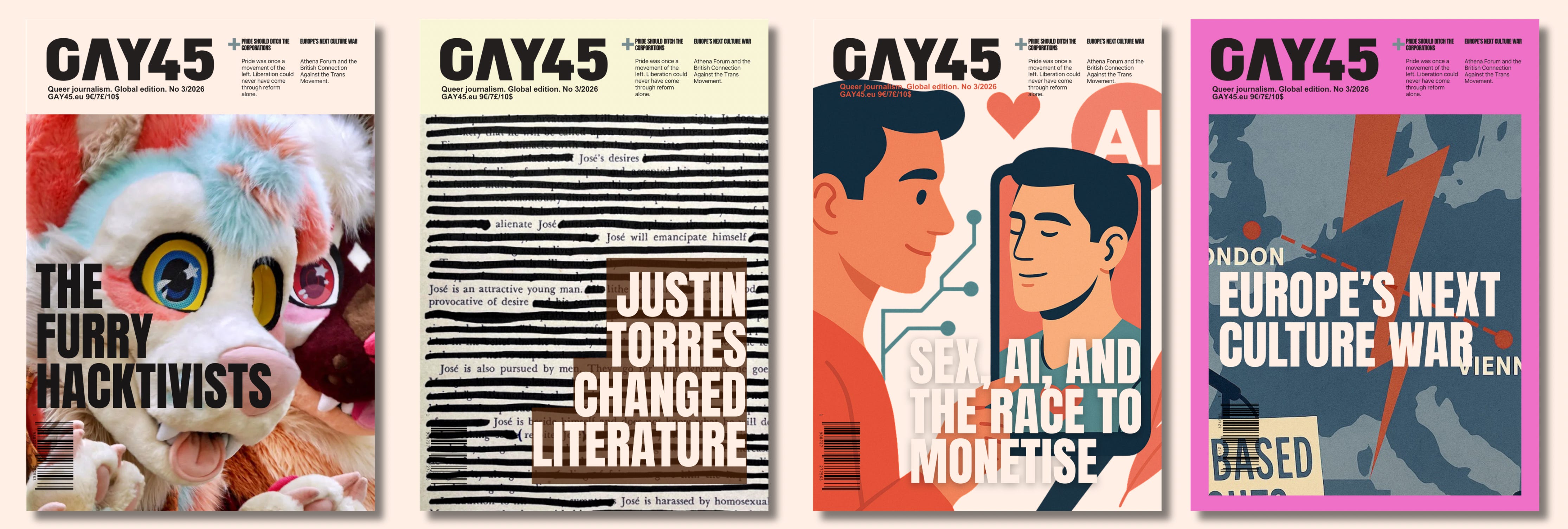
MUST READ OF GAY45
OPINION
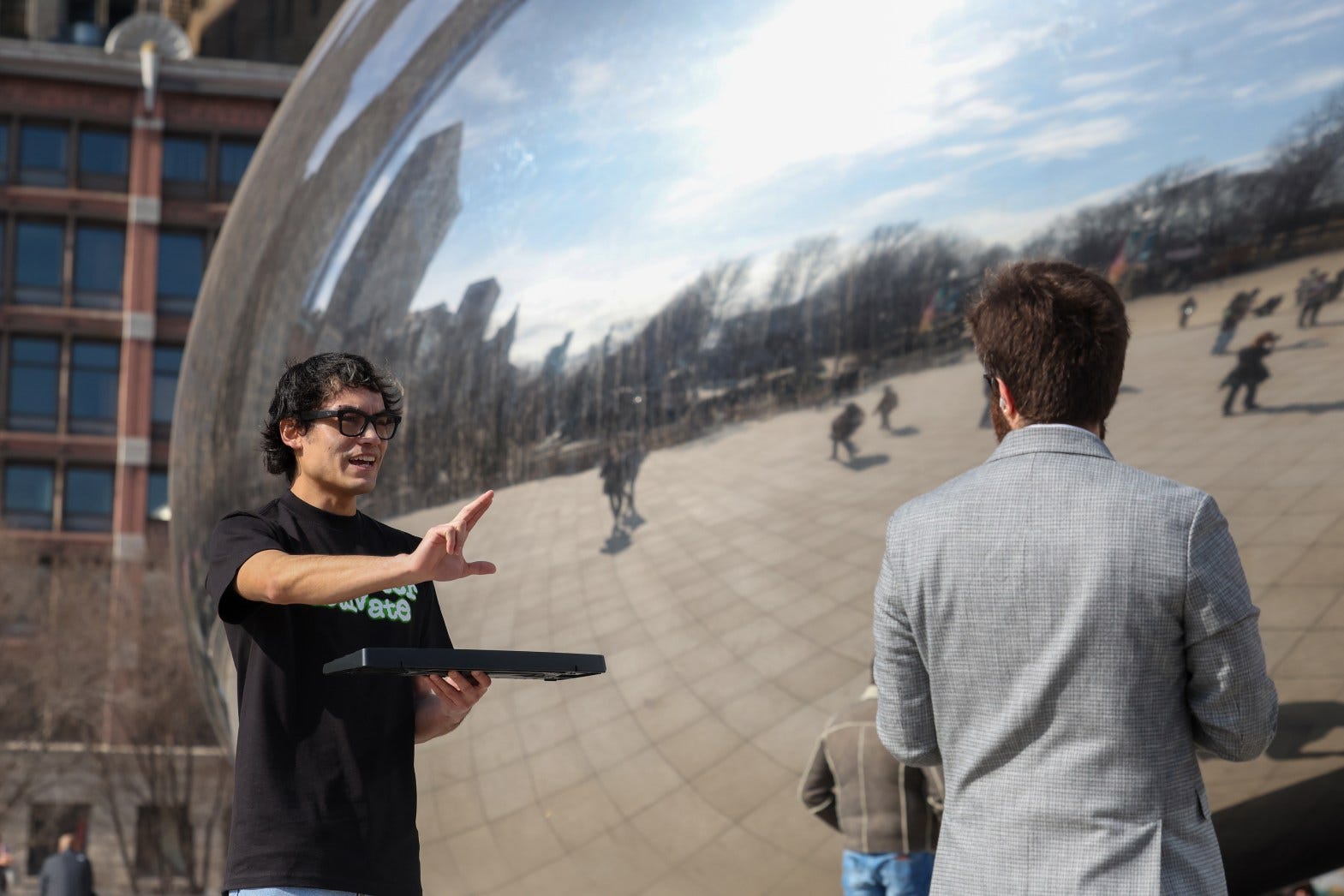
From the UK: Computah, Can We Stop This Trend?
The recent meme appears harmless, but belies an ugly truth about queer desire and how it has been shaped by social media.
INVESTIGATIVE REPORT
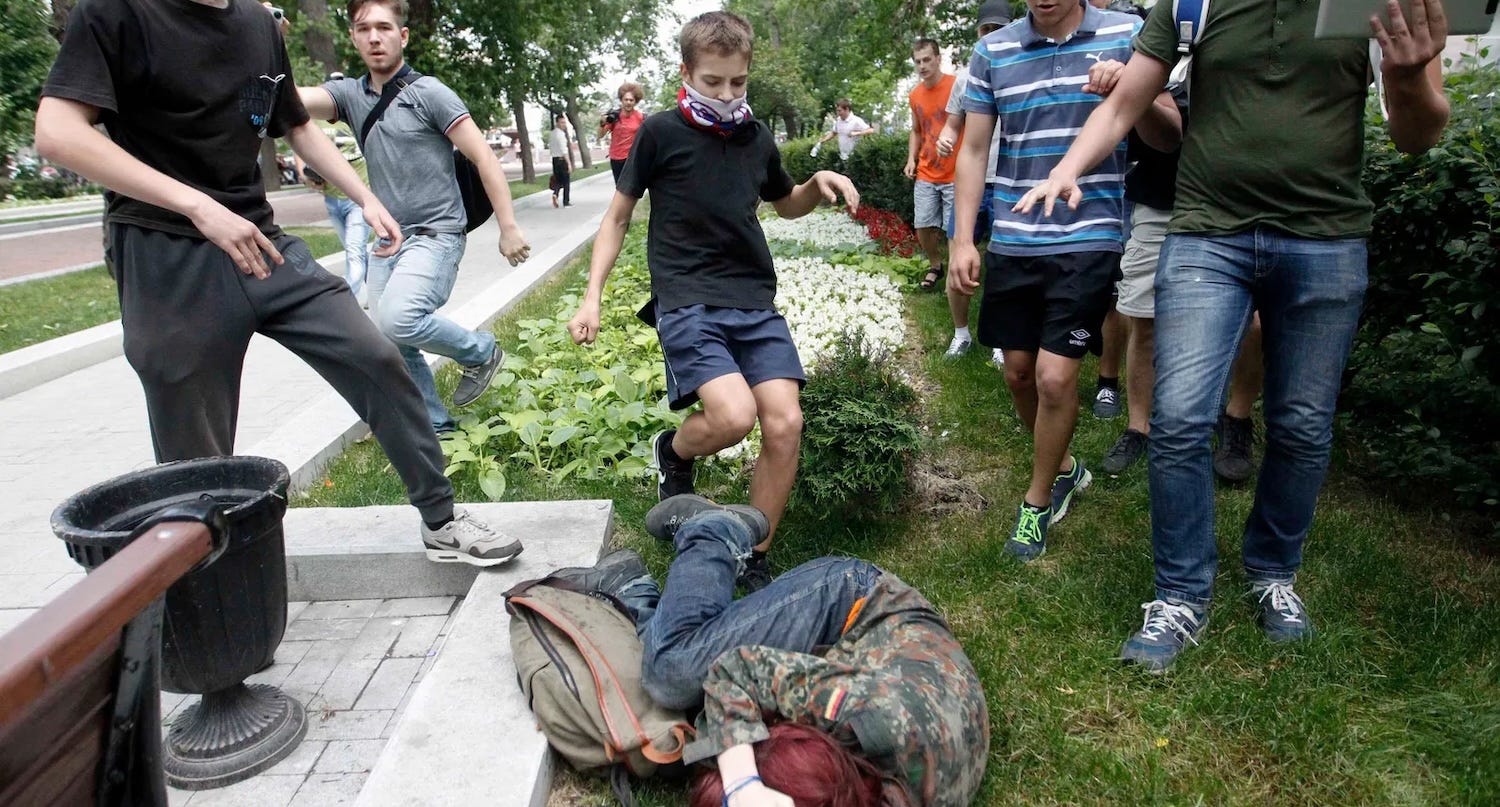
From Russia: The Russian Joke
A Thirteen-Year-Old Boy Showed a Video to His Classmates. Russia’s Propaganda Machine Now Reaches Into the Schoolyard.
FILM AND TV
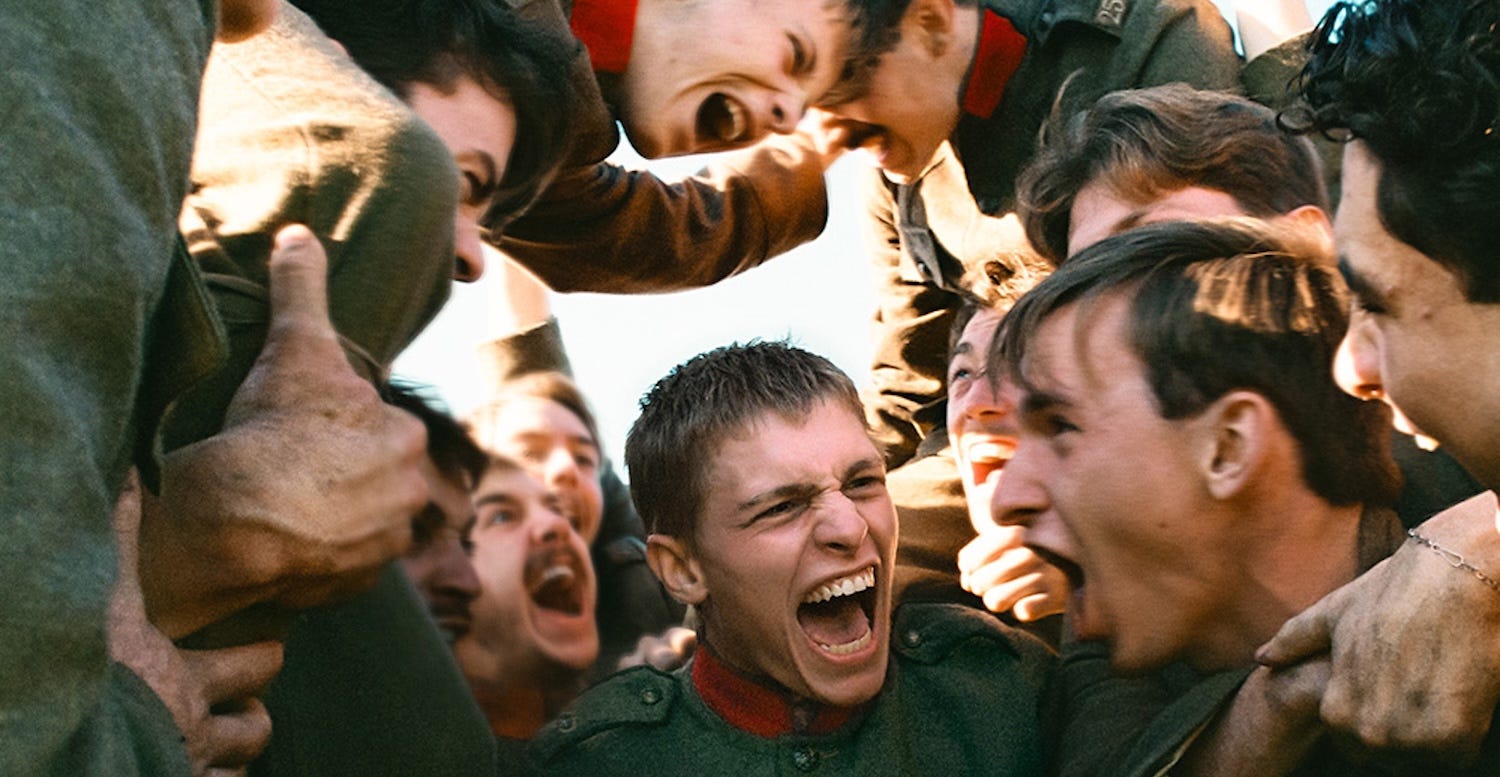
From Belgium: The Band of Rejects: Coward Review
Lukas Dhont finds Love in the trenches — and completes his trilogy.
AND MORE ON GAY45.eu
Political and entertainment quality journalism from Europe and the world.
For in-depth commentary on the week’s essential stories, listen to our weekly podcast, Queer News & Journalism.Support independent queer journalism: subscribe to keep our reporting free for everyone, or make a donation.
For ads here, contact taylor@gay45.eu